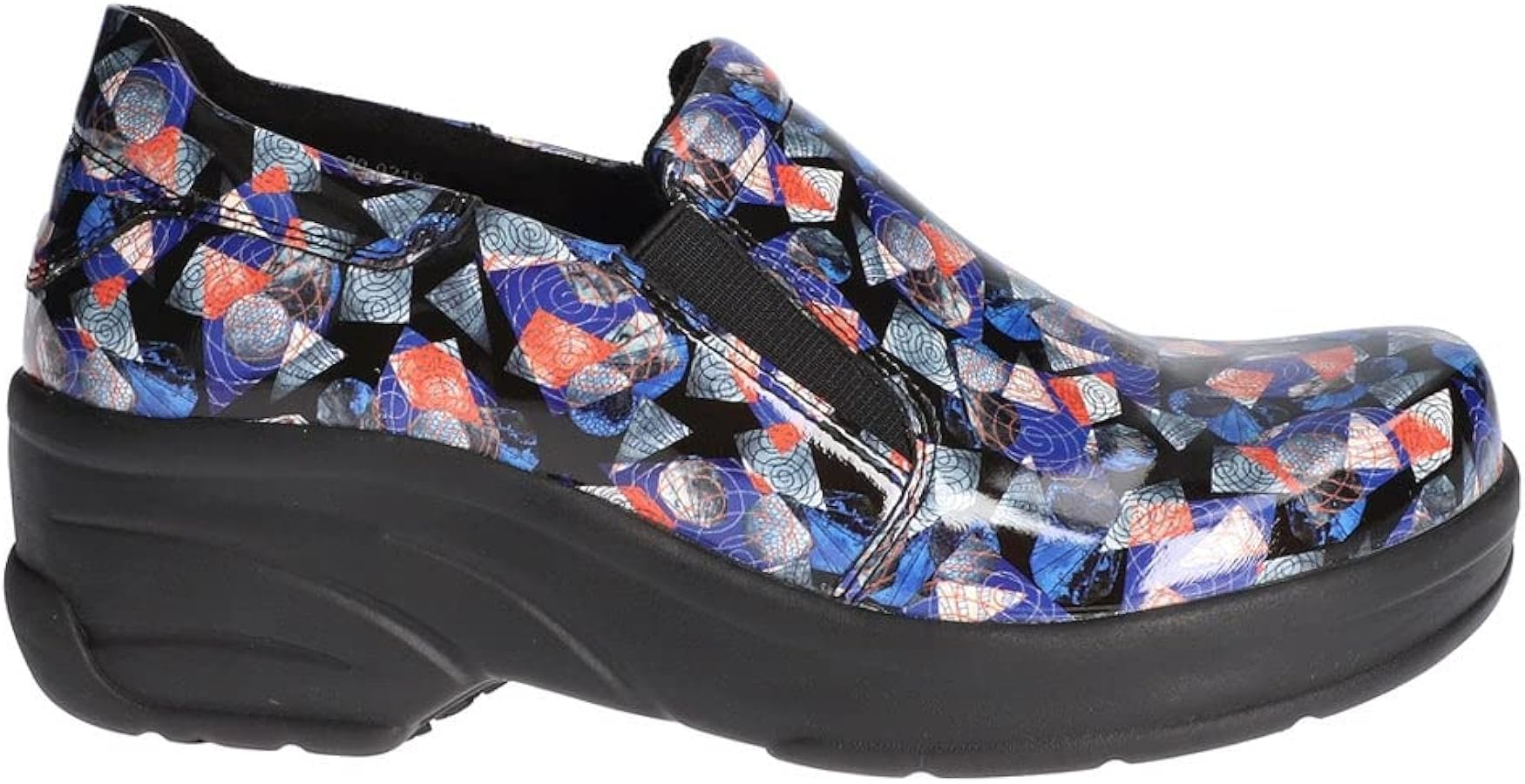
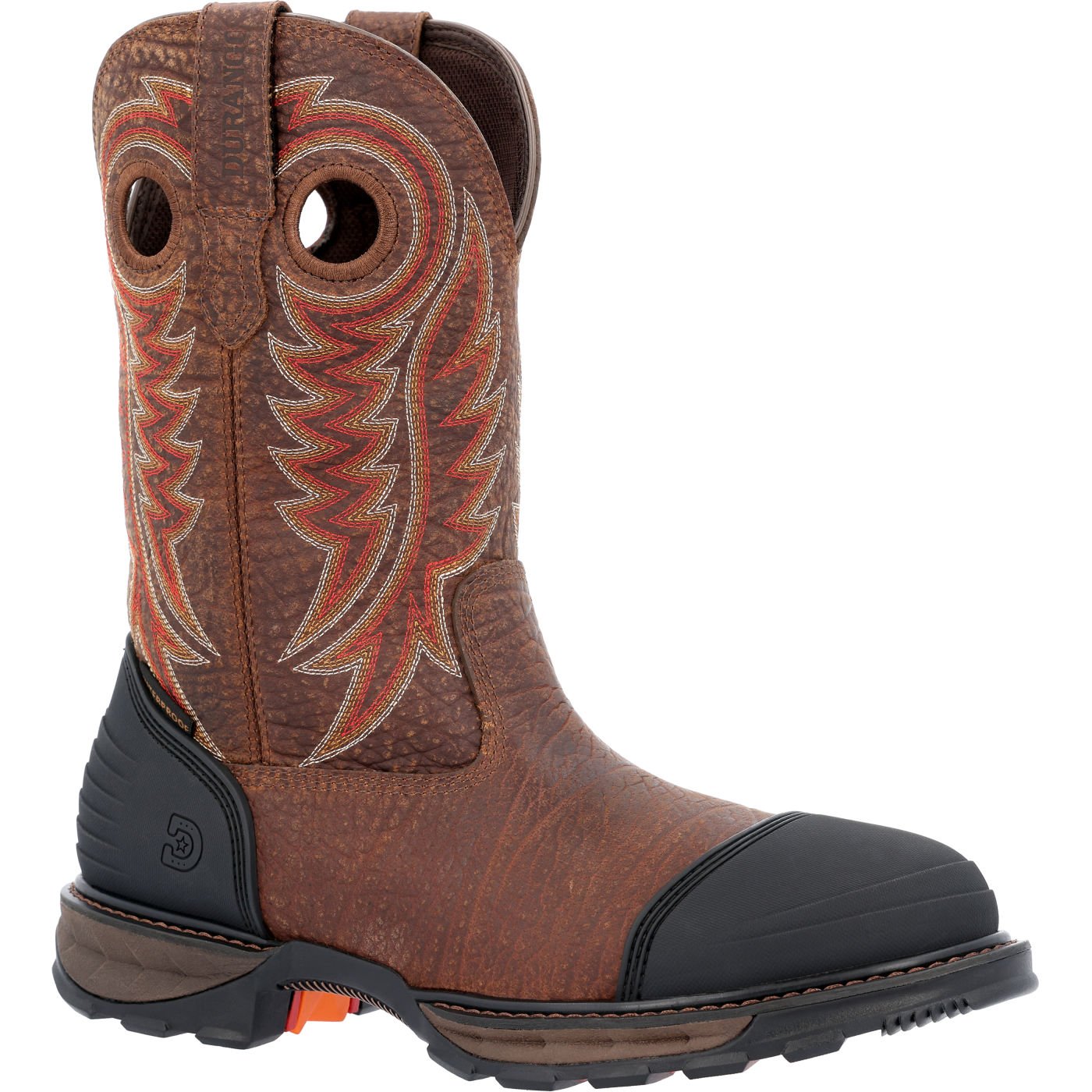
Professional attire designed for cleaning and maintenance personnel typically consists of durable, comfortable, and easily washable garments. These often include jumpsuits, coveralls, or separate shirts and trousers, sometimes paired with aprons and specific footwear. Practicality and safety are prioritized through features like reinforced stitching, multiple pockets for tools, and slip-resistant soles.
This specialized apparel plays a vital role in maintaining a clean and professional image within facilities, promoting hygiene, and ensuring staff safety. Historically, such garments evolved from simple work clothes to standardized outfits reflecting industry best practices for safety, functionality, and corporate branding. Protective elements, such as high-visibility markings or chemical-resistant materials, might be incorporated based on the specific work environment.
Further exploration will cover fabric choices, design variations, supplier selection, and maintenance procedures for this essential workplace attire.
1. Durability
Durability stands as a critical factor in custodial work uniforms due to the demanding nature of the job. Custodial staff frequently encounter harsh cleaning chemicals, abrasive surfaces, and repetitive movements that can quickly degrade inferior materials. A durable uniform ensures longevity, reducing replacement costs and minimizing disruptions caused by damaged clothing. For instance, reinforced stitching at stress points like knees and elbows prevents tearing, while heavy-duty zippers and buttons withstand repeated use. Choosing fabrics resistant to fading and shrinking, such as polyester blends or canvas, maintains a professional appearance over extended periods, even with frequent laundering.
The practical significance of durable uniforms extends beyond cost savings. Reliable garments provide consistent protection against workplace hazards, contributing to staff safety and well-being. A tear in a uniform could expose skin to cleaning chemicals, while weakened fabric might offer inadequate protection against sharp objects. Furthermore, durable uniforms project a professional image, reflecting positively on the organization and instilling confidence in the services provided. Investing in high-quality, durable workwear demonstrates a commitment to both employee well-being and client satisfaction.
Ultimately, prioritizing durability in custodial work uniforms represents a strategic decision with long-term benefits. While initial costs might be higher, reduced replacement frequency, enhanced safety, and improved professional image offer significant returns. Selecting appropriate fabrics and construction methods tailored to the specific demands of custodial work ensures optimal performance and longevity, contributing to a more efficient and effective workforce.
2. Comfort
Comfort plays a crucial role in custodial work uniforms, directly impacting worker productivity, morale, and overall job satisfaction. Uncomfortable attire can hinder movement, cause distractions, and contribute to physical discomfort, ultimately affecting the quality and efficiency of work. Prioritizing comfort in uniform selection demonstrates a commitment to employee well-being and fosters a positive work environment.
-
Breathability and Moisture Management
Custodial work often involves physical exertion, potentially leading to perspiration and overheating. Uniforms made from breathable fabrics, such as cotton blends or moisture-wicking materials, allow for better air circulation and help regulate body temperature. This prevents discomfort and reduces the risk of heat-related illnesses. Examples include mesh panels in high-heat areas and the use of performance fabrics designed to draw moisture away from the skin.
-
Fit and Flexibility
Proper fit and flexibility are essential for allowing a full range of motion. Custodial tasks often require bending, reaching, and lifting, so uniforms should not restrict movement. Features like adjustable waistbands, gussets in the crotch area, and articulated elbows provide greater freedom of movement and prevent strain. Ill-fitting uniforms can not only impede work but also create safety hazards.
-
Weight and Fabric Texture
Heavy, stiff fabrics can be cumbersome and uncomfortable, especially during extended shifts. Lightweight, soft-touch fabrics offer greater comfort and ease of movement. Consideration should be given to the climate and the physical demands of the job when selecting fabric weight. For example, lighter-weight fabrics are preferable in warmer climates, while slightly heavier, more durable materials might be suitable for colder environments or tasks involving rough surfaces.
-
Seams and Construction
Poorly constructed seams, rough edges, or irritating tags can cause chafing and discomfort. Flat-felled seams and tagless designs minimize friction against the skin, preventing irritation and ensuring long-lasting comfort. Attention to these details demonstrates a commitment to employee well-being and contributes to a more positive work experience. Durable stitching also prevents seams from unraveling, further enhancing the longevity and comfort of the uniform.
By addressing these comfort factors, organizations can ensure that custodial staff are equipped to perform their duties effectively and comfortably. A comfortable uniform promotes better focus, increased productivity, and improved morale, ultimately contributing to a more efficient and positive work environment. Investing in comfortable workwear demonstrates a commitment to employee well-being and recognizes the crucial role custodial staff play in maintaining clean and functional facilities. This contributes to a more positive and productive work environment, ultimately benefiting both the employees and the organization.
3. Safety
Safety considerations are paramount in the design and selection of custodial work uniforms. The work environment often presents potential hazards, necessitating protective measures to mitigate risks and ensure worker well-being. Specialized uniform features play a crucial role in safeguarding custodial staff from various workplace dangers.
-
High-Visibility Features
High-visibility elements, such as reflective strips or brightly colored fabrics, significantly enhance worker visibility, particularly in low-light conditions or areas with moving equipment. This reduces the risk of accidents by making custodial staff easily identifiable to others in the vicinity. For example, uniforms with fluorescent yellow or orange accents increase visibility in dimly lit hallways or parking garages, minimizing the chance of collisions with moving vehicles or equipment. This is especially crucial in environments like hospitals or warehouses where staff and equipment are constantly in motion.
-
Slip-Resistant Footwear
Slips, trips, and falls represent a significant hazard in custodial work, often involving wet or slippery surfaces. Slip-resistant footwear incorporates specialized sole designs and materials that provide enhanced traction, reducing the likelihood of falls. The inclusion of slip-resistant outsoles with defined tread patterns helps maintain stability on wet floors, freshly mopped areas, or surfaces contaminated with cleaning solutions. This is crucial in preventing injuries and ensuring worker safety in environments where spills and wet conditions are common.
-
Chemical-Resistant Materials
Custodial staff frequently handle cleaning chemicals that can pose risks to skin and clothing. Uniforms made from chemical-resistant materials provide a protective barrier, minimizing exposure to potentially harmful substances. For instance, uniforms treated with a durable water repellent (DWR) finish or constructed from materials like nylon or polyester offer resistance to common cleaning solutions, preventing spills from soaking through and contacting the skin. This added protection minimizes the risk of chemical burns, allergic reactions, or other health issues related to chemical exposure.
-
Protective Accessories
Depending on the specific tasks and potential hazards, additional protective accessories may be integrated into the uniform. Gloves provide hand protection when handling cleaning agents or contaminated materials. Safety goggles shield eyes from splashes or airborne particles. Heavy-duty aprons offer additional protection against spills and splashes of cleaning solutions or bodily fluids. These accessories complement the protective qualities of the uniform, further enhancing worker safety in specialized cleaning or maintenance tasks involving potentially hazardous materials.
These safety features, integrated into custodial work uniforms, demonstrate a commitment to worker well-being and contribute significantly to a safer work environment. By mitigating potential hazards through appropriate attire, organizations prioritize employee health and reduce the risk of workplace accidents. This proactive approach enhances productivity, minimizes lost time due to injuries, and fosters a culture of safety within the workplace. Investing in safety-focused uniforms ultimately benefits both the employees and the organization.
4. Hygiene
Maintaining hygiene stands as a critical function of custodial work, directly impacting the health and well-being of building occupants. Custodial work uniforms play a significant role in upholding hygiene standards and preventing the spread of contaminants. Proper uniform selection, usage, and maintenance are essential for ensuring a hygienic work environment.
-
Cleanliness and Laundering
Regular laundering of custodial uniforms is paramount for removing dirt, debris, and potentially harmful microorganisms. Frequent washing, ideally after each shift, prevents the accumulation of contaminants and minimizes the risk of cross-contamination. Utilizing appropriate detergents and sanitizing procedures further ensures effective cleaning and disinfection of the garments. Implementing a consistent laundering schedule and providing access to adequate laundry facilities demonstrates a commitment to hygiene best practices. This not only protects custodial staff but also safeguards the health of everyone in the facility.
-
Fabric Selection and Antimicrobial Properties
Choosing fabrics with antimicrobial properties can further enhance the hygienic qualities of custodial uniforms. These fabrics inhibit the growth of bacteria and other microorganisms, reducing the potential for odor and the spread of infection. Examples include fabrics treated with antimicrobial agents or those inherently resistant to microbial growth due to their fiber composition. Selecting such fabrics adds an extra layer of protection against contamination, particularly in environments where hygiene is paramount, such as healthcare facilities or food preparation areas.
-
Uniform Design and Contamination Prevention
Specific design elements in custodial uniforms can contribute to improved hygiene. Close-fitting cuffs and collars prevent the entry of contaminants, while designated pockets for cleaning supplies minimize the risk of cross-contamination. Avoiding loose or flowing garments reduces the chance of uniforms coming into contact with contaminated surfaces. These design considerations promote a cleaner and more hygienic work practice, reducing the potential for spreading germs or other harmful substances.
-
Personal Protective Equipment (PPE) Integration
Integrating appropriate personal protective equipment (PPE) into the uniform further enhances hygiene standards. Gloves, masks, and eye protection safeguard custodial staff from exposure to potentially hazardous substances and prevent the spread of contaminants. Providing access to and enforcing the use of PPE demonstrates a commitment to worker safety and reinforces hygienic practices. This is particularly important when handling cleaning chemicals, bodily fluids, or other potentially infectious materials.
By addressing these hygiene factors through proper uniform selection, maintenance, and usage, organizations create a healthier and safer environment for both custodial staff and building occupants. A focus on hygiene in custodial work uniforms demonstrates a commitment to best practices and reinforces the importance of cleanliness in maintaining a healthy workplace. This contributes to a more positive and productive environment, ultimately benefiting everyone within the facility.
5. Professionalism
Professionalism in custodial services extends beyond efficient cleaning practices; it encompasses appearance and conduct, significantly influenced by work uniforms. A well-maintained, standardized uniform fosters a professional image, instilling confidence in clients and enhancing the perceived value of the services provided. This positive perception contributes to client retention and reinforces a company’s reputation for quality and reliability. For instance, a clean, well-fitting uniform distinguishes custodial staff from casual visitors, conveying a sense of competence and attention to detail. This visual distinction subtly communicates professionalism and reinforces the message that the organization values its employees and the services they provide.
Furthermore, standardized uniforms promote a sense of unity and team cohesion among custodial staff. When employees present a consistent and professional appearance, it fosters a sense of belonging and shared purpose. This can lead to improved morale, increased productivity, and a more positive work environment. A uniform also serves as a reminder of the professional role and responsibilities associated with the position, encouraging a more diligent and professional approach to work. This can be particularly important in larger organizations where maintaining a consistent image across different departments and locations is essential for brand identity and professionalism.
In conclusion, the connection between professionalism and custodial work uniforms is integral to the success of any cleaning service. A professional appearance, cultivated through well-maintained and standardized uniforms, enhances client perception, fosters team unity, and promotes a more professional work ethic. Recognizing this connection and investing in appropriate uniforms demonstrates a commitment to quality service and reinforces the value of the custodial profession. This, in turn, contributes to a more positive and productive work environment, benefiting both employees and the organization as a whole. Neglecting the professional image projected by custodial staff can undermine the overall perception of the service provided, regardless of the quality of the cleaning itself.
6. Cost-effectiveness
Cost-effectiveness represents a critical consideration in any custodial work uniform program. Balancing initial investment with long-term value requires careful evaluation of various factors, including material durability, laundering requirements, and replacement frequency. Durable fabrics, such as polyester blends or ripstop materials, though potentially carrying a higher upfront cost, often offer superior longevity compared to cheaper alternatives prone to tearing or fading. This translates to fewer replacements, ultimately reducing overall expenditure. Similarly, selecting uniforms designed for easy laundering, such as those with stain-resistant properties, minimizes cleaning costs and extends garment lifespan. A real-world example illustrates this principle: a company switching from a low-cost, less durable uniform to a higher-quality, longer-lasting alternative experienced a significant decrease in annual uniform expenses despite the higher initial investment due to reduced replacement frequency. Understanding the long-term cost implications of uniform choices is essential for maximizing budgetary efficiency.
Furthering cost-effective strategies, implementing efficient procurement processes, such as bulk purchasing or negotiating favorable contracts with suppliers, can significantly reduce expenses. Establishing clear uniform usage guidelines and providing proper training on garment care minimizes wear and tear, extending the functional life of the uniforms. Additionally, exploring rental programs or uniform leasing options can present cost advantages, particularly for smaller organizations or those with fluctuating staffing levels. These alternatives alleviate the burden of upfront purchasing and maintenance, offering predictable monthly costs and simplifying uniform management. For example, a facility utilizing a rental program might avoid the substantial capital outlay associated with purchasing a large quantity of uniforms, freeing up resources for other operational needs. Such strategies demonstrate how a proactive approach to uniform management contributes to overall cost efficiency.
In conclusion, cost-effectiveness in custodial work uniforms hinges on strategic planning and informed decision-making. Prioritizing durability, implementing efficient procurement and maintenance practices, and exploring alternative acquisition models contribute significantly to minimizing long-term expenses. A comprehensive understanding of these factors empowers organizations to make sound financial decisions, optimizing resource allocation without compromising the quality, safety, or professionalism of custodial work attire. This approach ultimately benefits both the organization’s bottom line and the well-being of its custodial staff.
Frequently Asked Questions
This section addresses common inquiries regarding custodial work uniforms, providing concise and informative responses to facilitate informed decision-making.
Question 1: What are the typical materials used in custodial work uniforms?
Common materials include durable and easily washable fabrics like polyester blends, cotton twill, and ripstop nylon. Selection often depends on specific job requirements, such as chemical resistance or high-visibility needs.
Question 2: How frequently should custodial uniforms be laundered?
Best practices recommend laundering after each shift to maintain hygiene and prevent the spread of contaminants. Specific laundering procedures should adhere to manufacturer guidelines and industry best practices for effective cleaning and disinfection.
Question 3: Are there specific safety features to consider in custodial uniform design?
Yes, safety features such as high-visibility markings, slip-resistant footwear, and chemical-resistant materials are crucial for mitigating workplace hazards. Selection should reflect the specific risks present in the work environment.
Question 4: What are the benefits of implementing a standardized uniform program?
Standardized uniforms promote professionalism, enhance team cohesion, and improve client perception. They also simplify inventory management and ensure consistent adherence to safety and hygiene standards.
Question 5: How can organizations optimize cost-effectiveness in uniform procurement?
Cost-effectiveness can be achieved through strategies such as bulk purchasing, negotiating favorable contracts with suppliers, and implementing efficient laundering procedures. Exploring rental programs or uniform leasing options can also present cost advantages.
Question 6: What role does proper fit play in custodial uniform functionality?
Proper fit is essential for ensuring comfort, mobility, and safety. Uniforms should allow for a full range of motion without restriction while maintaining a professional appearance. Ill-fitting uniforms can impede work and create safety hazards.
Careful consideration of these frequently asked questions helps organizations develop comprehensive and effective custodial uniform programs. Addressing these aspects contributes to worker safety, hygiene, and professionalism, ultimately enhancing operational efficiency and client satisfaction.
The subsequent section will delve into best practices for implementing and managing a successful custodial uniform program.
Essential Considerations for Custodial Work Uniforms
Implementing a successful uniform program requires careful attention to several key factors. The following tips offer practical guidance for optimizing uniform selection, usage, and maintenance.
Tip 1: Prioritize Durability: Opt for fabrics known for their resilience, such as polyester blends, ripstop nylon, or canvas. Reinforced stitching and heavy-duty closures enhance garment longevity, reducing replacement frequency and long-term costs. Consider the specific demands of the work environment when selecting materials, prioritizing tear-resistance for tasks involving rough surfaces or chemical resistance for handling cleaning agents.
Tip 2: Ensure Comfort and Mobility: Comfortable uniforms promote productivity and job satisfaction. Features like breathable fabrics, adjustable waistbands, and articulated joints enhance mobility and prevent discomfort during physically demanding tasks. Proper fit is essential for both comfort and safety, ensuring unrestricted movement and minimizing the risk of accidents.
Tip 3: Integrate Safety Features: High-visibility markings, slip-resistant footwear, and chemical-resistant materials are crucial for mitigating workplace hazards. Selection should reflect the specific risks present in the work environment, prioritizing features like reflective strips for low-light conditions or protective gloves for handling hazardous substances. Regular inspection of safety features is essential for ensuring ongoing effectiveness.
Tip 4: Emphasize Hygiene and Cleanliness: Frequent laundering, ideally after each shift, prevents the accumulation of contaminants and minimizes the risk of cross-contamination. Utilizing appropriate detergents and sanitizing procedures, adhering to manufacturer guidelines, ensures effective cleaning and disinfection. Antimicrobial fabrics can further enhance hygiene by inhibiting the growth of microorganisms.
Tip 5: Promote Professionalism Through Standardization: Standardized uniforms project a professional image, enhance team cohesion, and instill client confidence. Consistent appearance reinforces a companys reputation for quality and reliability. Clear uniform guidelines ensure uniformity and maintain professional standards.
Tip 6: Optimize Cost-Effectiveness Through Strategic Planning: Evaluate long-term value alongside initial investment costs. Durable, easily laundered uniforms minimize replacement frequency and cleaning expenses. Bulk purchasing, negotiated contracts, and efficient inventory management contribute to overall cost savings. Exploring rental or leasing options can offer further cost advantages.
Tip 7: Regularly Evaluate and Update Uniform Programs: Periodically assess uniform effectiveness, soliciting feedback from custodial staff regarding comfort, functionality, and safety. Stay informed about industry best practices and advancements in uniform technology to ensure optimal performance and worker satisfaction. Regular updates maintain a current and effective uniform program.
Adherence to these guidelines contributes significantly to a successful custodial uniform program, enhancing worker safety, hygiene, and professionalism while optimizing cost-effectiveness. These factors collectively contribute to improved operational efficiency and client satisfaction.
The following conclusion summarizes the key takeaways and reinforces the importance of well-designed custodial work uniform programs.
Conclusion
Custodial work uniforms represent a crucial component within professional cleaning operations. Exploration of this topic has highlighted the multifaceted impact of appropriate attire on worker safety, hygiene, professionalism, and overall operational efficiency. Durable, comfortable, and functional garments, incorporating safety features relevant to the specific work environment, contribute significantly to worker well-being and mitigate potential hazards. Furthermore, standardized uniforms cultivate a professional image, enhancing client perception and reinforcing a company’s commitment to quality service. Cost-effectiveness, achieved through strategic procurement and maintenance practices, underscores the long-term value of investing in high-quality workwear. Careful consideration of fabric selection, design elements, and laundering procedures ensures optimal performance and hygiene, safeguarding both employees and building occupants.
Prioritizing the selection and implementation of effective custodial work uniform programs demonstrates a commitment to best practices within the cleaning industry. This investment ultimately benefits organizations through improved worker morale, enhanced safety standards, and increased operational efficiency, translating to a healthier, safer, and more productive work environment. Continued evaluation and adaptation of uniform programs based on evolving industry standards and technological advancements will remain essential for maximizing the benefits of this critical component of professional cleaning services.